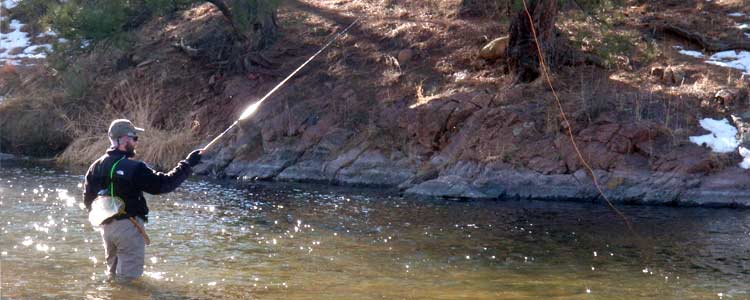
TenkaraGrasshopper on the South Platte, Colorado

Monday, September 30, 2013

TenkaraGrasshopper Merchandise Available


Hey everyone. I know it has been a while but I wanted to let you all know that TenkaraGrasshopper is now offering logo merchandise for you. I will be adding a number of new items in the next few days and weeks so keep an eye out for the newest items to arrive in store. You will be able to find stickers, men's and women's apparel, and other cool stuff.

And with these items you can take the TenkaraGrasshopper where you want. If there are any items you don't see and would like to see more please feel free to Contact Me and let me know if there is anything you would like to see me make available for you.

I only ask that you bear with me as the store and my products grow!


Monday, September 23, 2013

Olive the Woolly Bugger and Olive and The Big Stream By Kirk Werner Book Reviews

Olive The Woolly Bugger By Kirk Werner
I have been reading and re-reading a wonderful kids book about fly fishing, Olive The Little Woolly Bugger by Kirk Werner. As adult anglers we have more than a few books to choose from to read and learn from. But sadly, at least until now, children from the ages of 8 to 10 years old have not had that opportunity presented to them.

Luckily, Kirk Werner has taken a fly pattern that many of us have used or at least tied in the past and personified it to teach children about fly fishing. But, this is book is not just about fly fishing, it also renders real life experiences that young people will have in their lives socially as well as personally.

Thursday, September 19, 2013

An Introduction to Tenkara Part 2: Setting Up

Welcome to an Introduction to Tenkara Part 2. If you have made it this far hopefully you have purchased or collected the items I listed in the Introduction to Tenkara Part 1. If not now is the time to do that, although you can still read and study the basic setup procedure but I think you will find it easier to understand if you have the equipment to work with at the same time.

Just to make sure you  have everything, let's review the items necessary for a day of Tenkara fishing. First and foremost, make sure to have a Tenkara rod. Without it you can't even consider wetting a line Tenkara. style. Secondly, you need a line, which can either be a furled line or a level line. Thirdly, you will need some tippet material. And last but not least you will need the all important fly.

Tenkara USA 11' Iwana
Photo Courtesy of TenkaraGrasshopper

Sharing knowledge and experiences....

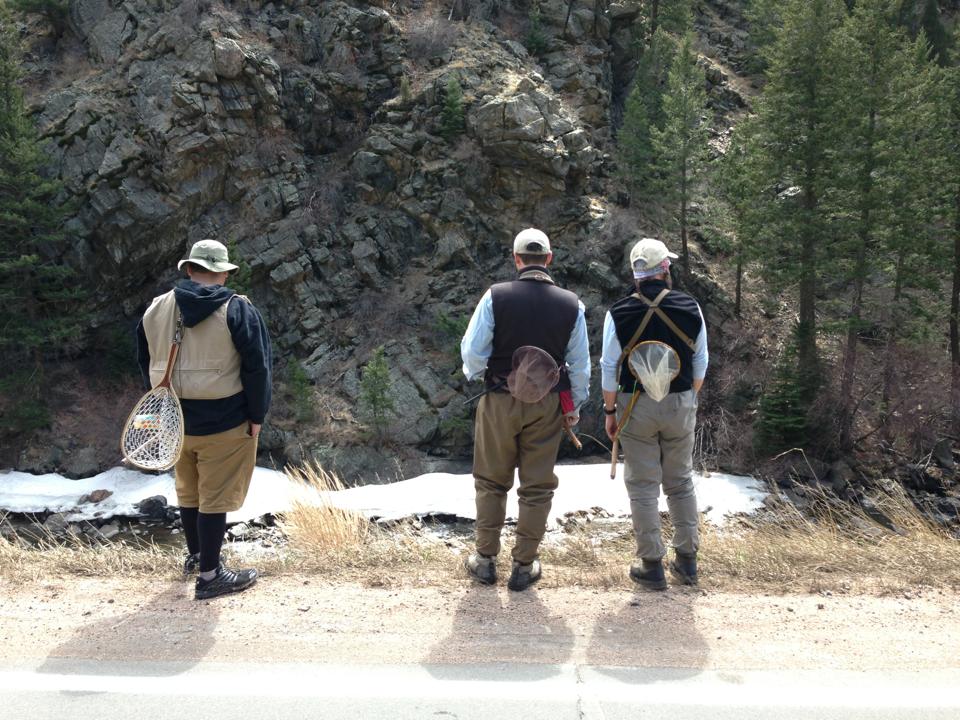
A Group of Tenkara Anglers Observing The River From Above
(Photo Courtesy TenkaraGrasshopper)
The socializing of people through fishing:

I think there is a bit a of "old school" in all of us... things we bring to life from our parents, grandparents, teachers, friends, and mentors through life.
      
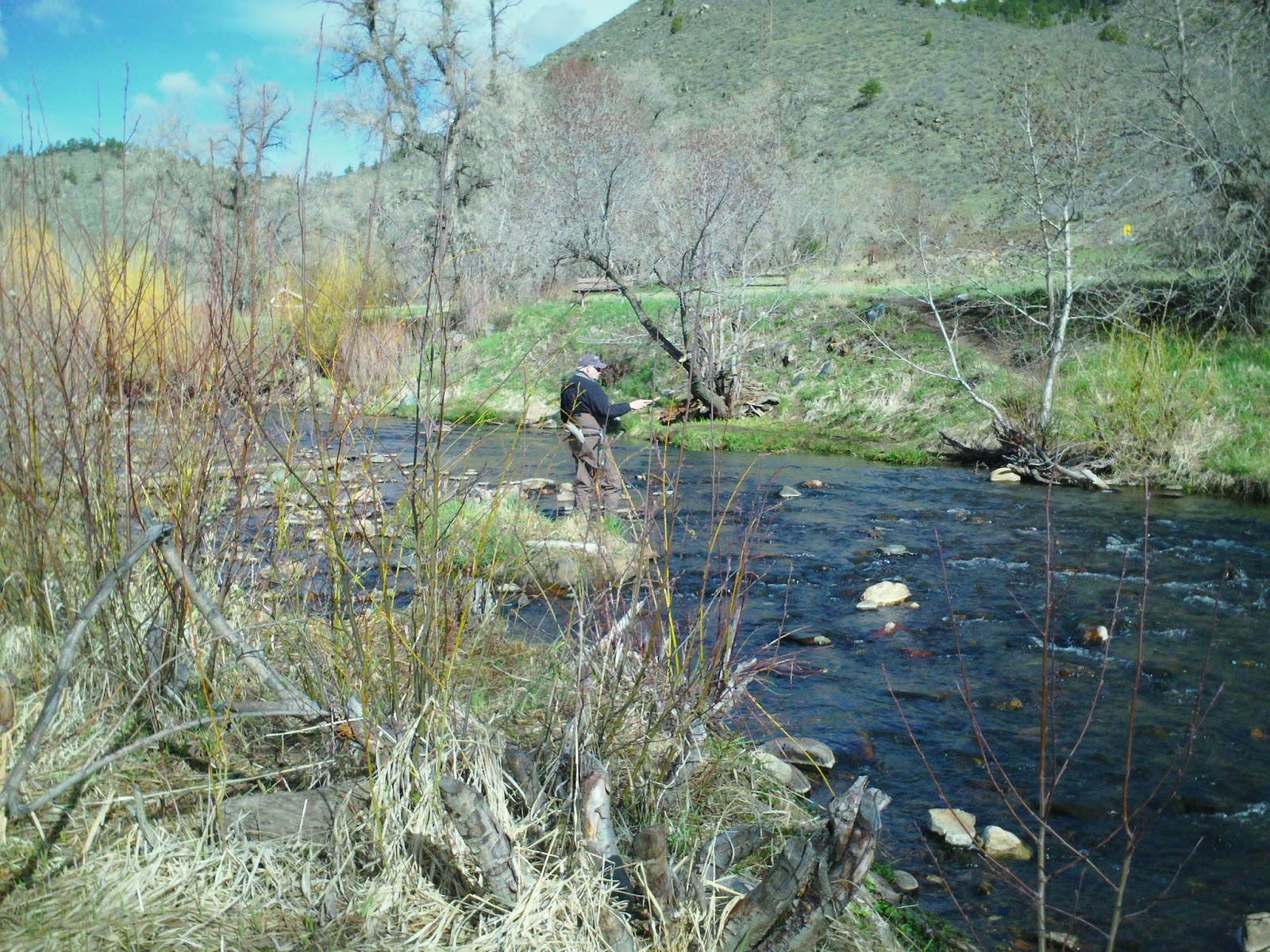
Tenkara on Bear Creek Colorado
(Photo Courtesy of TenkaraGrasshopper)

Tuesday, September 17, 2013

Site Changes and Additions Coming Soon

Hello everyone. I am writing to you all to let you know that there are some major changes and additions coming to TenkaraGrasshopper over the next few weeks. I am excited about many of them and I hope that you will find them pleasing and that they will add to your viewing pleasure.

Here are just a few things in no particular order:
  • My Tenkara Fly Box Images and Tying Videos
  • A Tenkara Guide Service Availability Calender
  • A Review of the Olive the Little Woolly Bugger Book Series
  • A Page which will follow Olive's adventures Tenkara fishing
  • An Introduction to Tenkara Part 2
  • I am currently developing an eBay store for Tenkara so keep your eyes open for this as well.
  • As part of a new tracking system I am going to have a Read More Link at the bottom of each post that you will need to click on to read the complete article.
  • I am going to be working on a new format for my blogs when you com to the site and I would be curious to hear what you think of it. I am going to be changing the format to make my post tracking a little better for me.

Wednesday, September 11, 2013

TenkaraGrasshopper's Failed Attempt At The Tenkara "One Fly" Theory

Teenage Mutant Ninja Kebari
Back about a year ago I read about the "One Fly" theory commonly found and discussed and even debated in the Tenkara community. I was intrigued by this theory and decided to try and learn as much as possible about it. I even had Daniel Galhardo of Tenkara USA write a guest post on his feelings about this topic.

In a nutshell, the "One Fly" theory states that a Tenkara angler uses one fly pattern for all their fishing and do not follow the "match-the-hatch" theory commonly ascribed to in western fly fishing. The "One Fly" theory subscribes to the belief that fish are opportunistic feeders and will potentially put anything that remotely resembles food into their mouth, not unlike a child.

In traditional Tenkara as practiced by the traditional Japanese Tenkara angler a pattern is chosen based on how it performs on and in the water. With a simplistic tying style and a minimum quantity of materials used to form the fly, the angler is required to perfect his or her presentation technique to fool the fish. And the level of mastery does not occur over night and can take a lifetime of practice.

If you are new to Tenkara you might become intimidated by the thought that it could take a lifetime to perfect your presentation technique. I can say with complete conviction that the goal of this perfection is what attracts me to Tenkara and I believe you will find the same thing occurring in your exploration of Tenkara.

Wait one second, I thought this was a post about TenkaraGrasshopper's failed attempt at the "One Fly" theory! you might be thinking.

Sorry, I digress and apologize but it is my "SQUIRREL"

So, how has my "One Fly" theory attempt failed you ask? Well, let's just say there are a couple of factors responsible for this occurrence in my Tenkara fishing. Some of these factors are due in part to a deeply ingrained mindset from my early days as a stillwater fisherman and then a western fly fisherman. Some of these factors are just sheer stubbornness on my part. Not necessarily one of my finer attributes but still a part of me.

Other than the simple fact that I am stubborn the ingrained habits that I fall into are those taught in the practice of spin-casting and western fly fishing. One of those habits that I have carried over from spin-casting is that if one lure isn't working, then change it out for something else in hopes that the new lure will be more productive. If that doesn't work, then "rinse and repeat" until you get the desired results of a tight line and a netted fish in hand.

Western fly fishing has much the same idea when it comes to the "match-the-hatch" theory whereby you tie on a fly selected by how close its attributes match those of the naturals the fish are currently feeding on. When "matching-the-hatch" during a day of angling the angler will try different patterns for each fishable layer of the water column, starting at the bottom of the river and working their way up to the surface. The attributes of the correct fly are not just how close the materials used match the natural, but it is also the size and action of the fly in the water. Because of this it is very common to see a fly fisherman or fisherwoman standing in the middle of the river either staring blankly into a box filled with flies and unsure what to do next or they are tying on and trying pattern after pattern with little or no confidence in their choice of fly. Sadly, technique loses its importance when an angler has no confidence in their fly choice.

That being said, this is how I learned to fly fish when I was a little kid and the longer I fished the more I came to believe that this was the only way to catch a fish on a fly rod. And to this day there is always a niggling thought that since I have not gotten any action maybe I should just change my fly. And most of the time I give in to this urge and do just that. And this is where my attempt at the "One Fly" theory consistently occurs.

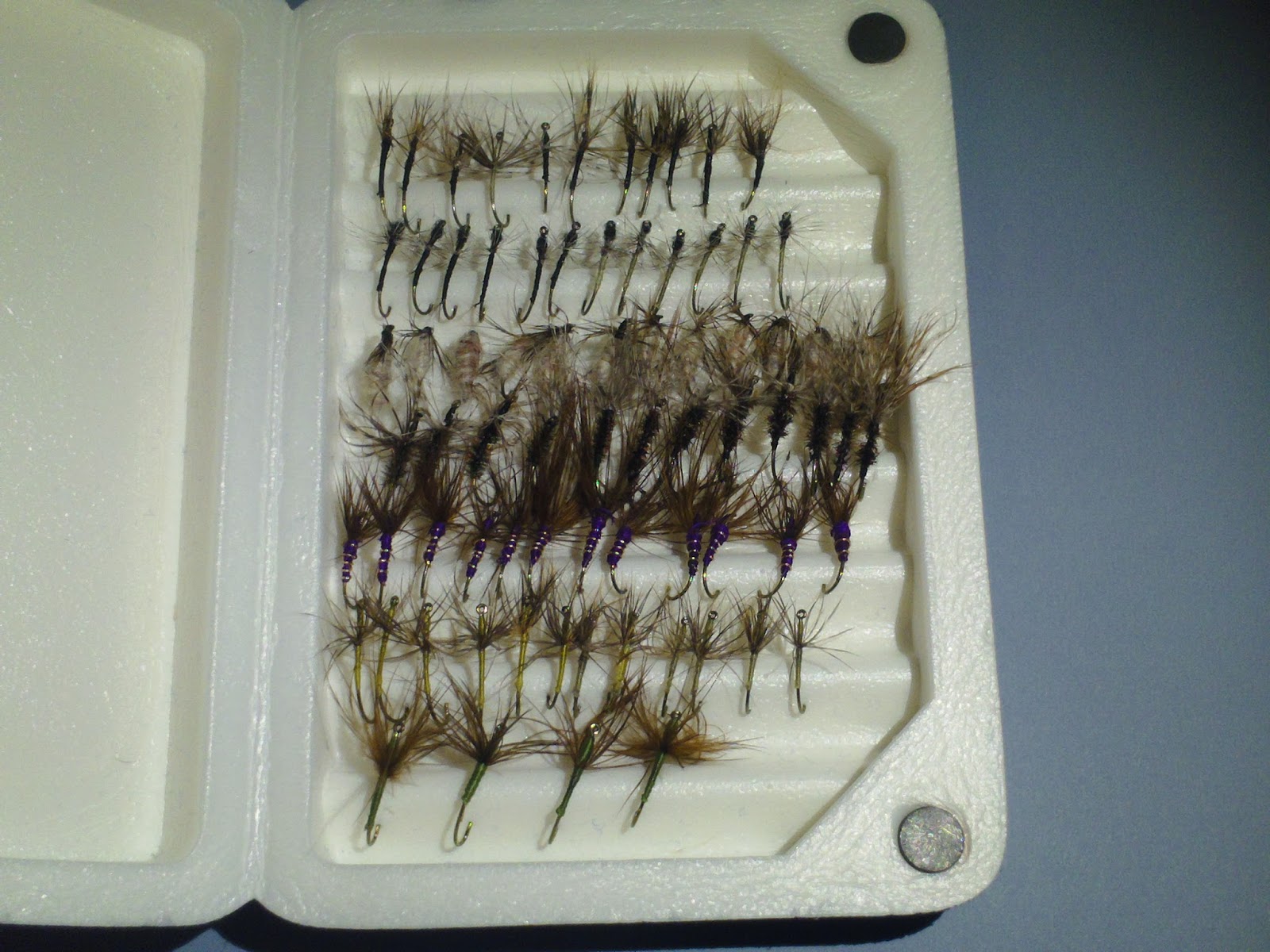
In the spirit of "matching-the-hatch" and at the same time trying to follow the "One Fly" theory. I found myself in the Tenkara Man Cave tying up a box full of Kebari flies. And all the patterns are different Kebari, albeit there are 12 of each placed neatly next to each other. Because of this fact I failed at the "One Fly" theory even before I got out on the water this season.

Tenkara Kebari Fly Box
But, due to my stubbornness and my not wanting to be a failure or quitter before I even started I finally committed myself to using "One Fly". It seemed simple enough to make the commitment but there was one major kink in my thought pattern, and that was 1 fully loaded fly box staring me in the face with 8 different patterns to choose from. So I made the only decision that I could in good conscience, I didn't!

I started carrying my fully loaded fly box with me whenever I was fishing. With that box in hand or my pocket as the case may be I was selecting one fly pattern for each day I was on the river and only using that one pattern for the entire day. Well maybe not the whole day, just most of it. Again, there was my ultimate failure in this theory.

As I write this post, sitting in the Tenkara Man Cave right next to my fly tying bench, my mind starts wandering off the subject of writing onto something different. Well, not completely off the subject of this post, but pretty darn close. I started thinking about the possible variations on the Ishigaki Kebari patterns I could come up using an over-abundance of fly tying materials. Alas, I fail again and get drawn into multiple patterns and before I know it I will have another box full of different Kebari patterns.

Ishigaki Kebari
Image provided by TenkaraBum.com

At least you will have to give me credit for at least trying, right?

I would be curious to hear what you think about this topic and your personal experiences with both the "One Fly" and "match-the-hatch" theories. Please leave a comment here or over on the Inn Of The Tenkara Gods at the following link: "One Fly" and "Match-the-Hatch" Theories.

If you wish to read the first article please feel free to follow the link here to see what I had to say and also IO am including post from Daniel Galhardo.

Daniel Galhardo: Daniel Galhardo and the "One Fly"

"Peace and Tenkara", The Catch and Release of the Happy Endorphin.

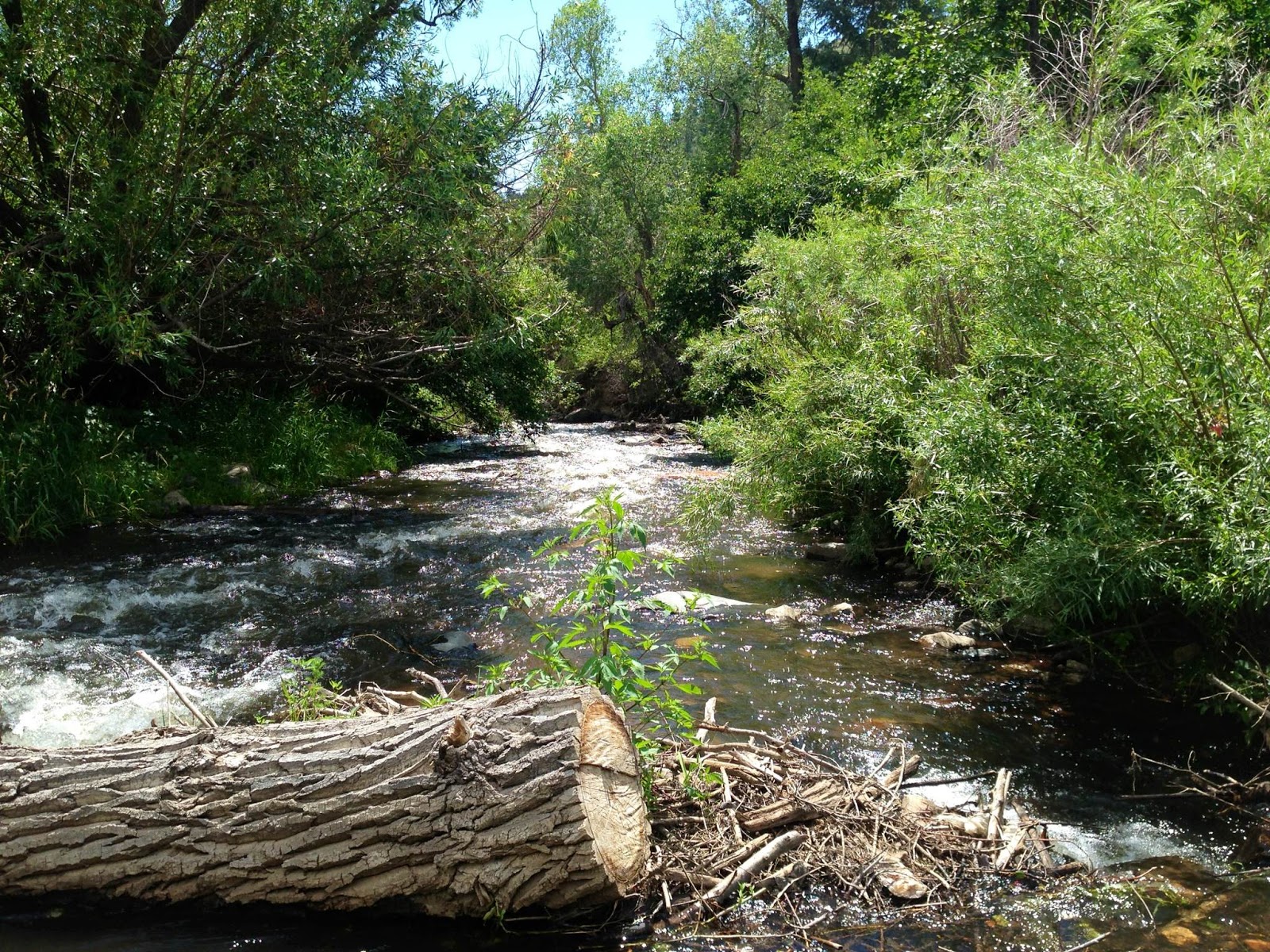
Bear Creek, Colorado

I struggled through my young life with happiness.  Trying different things, experimenting, researching, learning about spirituality and consciousness. Being obsessed with the search.
At times my conscious mind has tried to convince me I must do certain things to obtain this certain level of bliss called happiness.  (When all the time my subconscious grins in amazement how much effort I spend chasing what I already inherently know.)
As I travel in life the more I let go of my precepts the easier I stumble across moments and glimpses of natural bliss.  

Ducks on Bear Creek, Colorado

The more I pay attention to my instinct and stop thinking, the more I absorb.  I find comfort in just letting things happen the way they should.


 My reasoning in traveling to Colorado in August was to let go.  Give myself a chance to "play it by ear".  It's funny how my logical mind now...  has been retrained to transport my subconscious mind to places and situations to allow it to enjoy my life.  I can't say that was the case in earlier life...
    
Catching the Happy Endorphin has been a life long fantasy of mine.  Taking me on many adventures to discovery new, as well as traditional manners of obtaining the capture.  If just for a moment...
   
Fishing has always served for me as a time to slow down and enjoy the reason why I'm here on this earth.  To realize....  Enjoy...
   
Being plagued with a very active  mind my whole life, Tenkara allows me a method to relax and focus.  

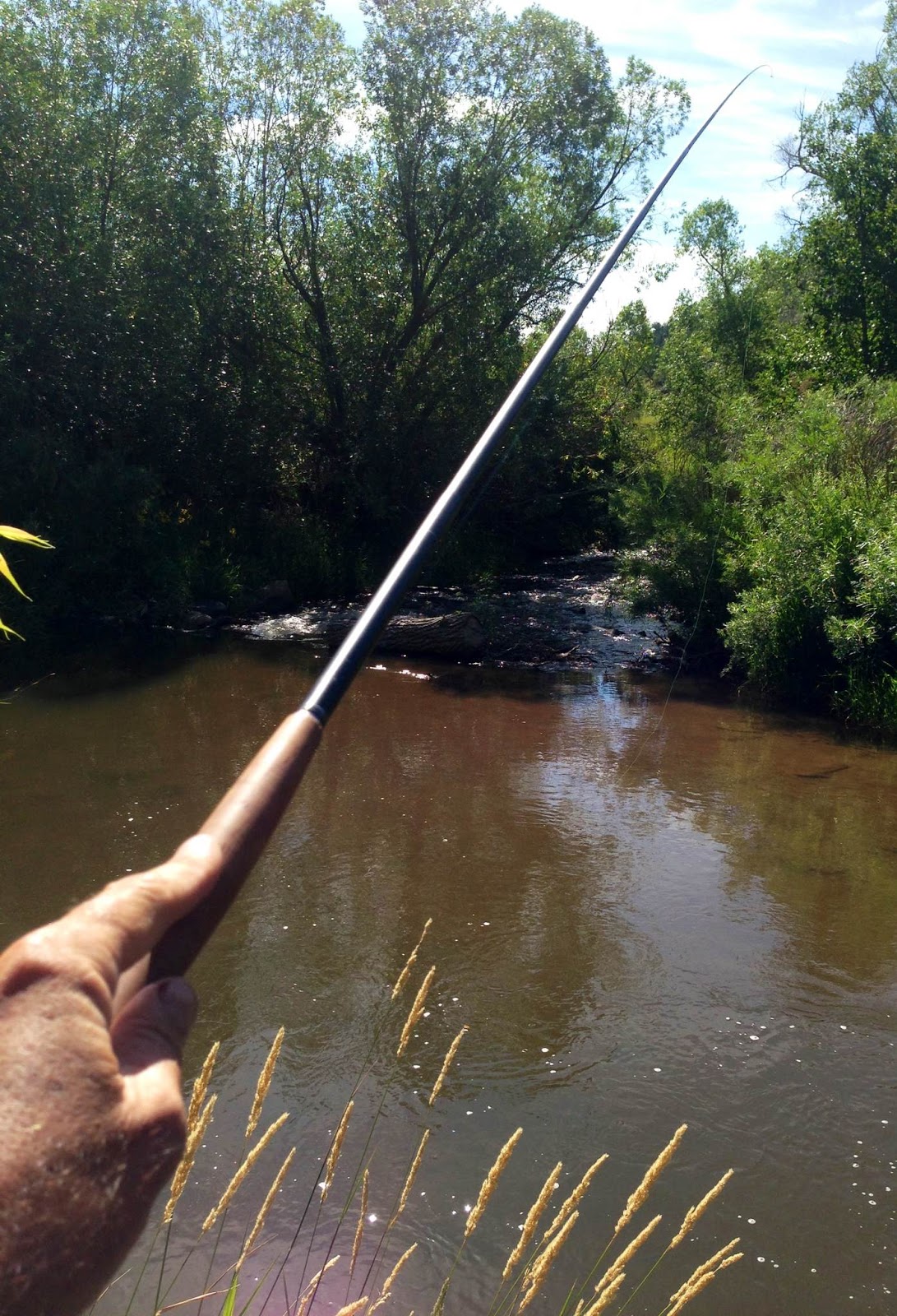
Tenkara on Bear Creek, Colorado
Tenkara employs my keen senses to focus on a single goal the decoding and gentle capture of a fish.... 

A Little Trout In Colorado
And then release it in an anticipation of a greater catch....  

A Little Bigger Trout In Colorado


At this moment, the Happy Endorphin is released....

 For me the words "Peace and Tenkara" some up the meaning of the catch and release of the Happy Endorphin.  It is both a greeting, and a statement of understanding of the method to reach the goal.
 Everyone has a "Tenkara" in their life that drives them back to find peace and focus.

Brian Lindsay Self Portrait
(Sorry to all the TenkaraGrasshopper readers from the admin team!)


 I wish us all a pleasant journey to reach "Peace and Tenkara"...

The above is a guest post from TenkaraGrasshopper Guest Blogger Brian Lindsay. Brian and TenkaraGrasshopper would greatly appreciate any and all comments you might have.

Thursday, September 5, 2013

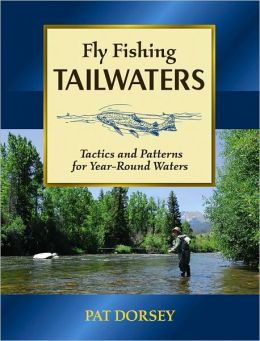
Fly Fishing Tailwaters by Pat Dorsey Book Review

Fly Fishing Tailwaters by Pat Dorsey

As a TenkaraUSA Certified Guide and working for an awesome fly shop like Colorado Skies Outfitters (CSO) in Parker, Colorado I have wanted to learn as much as possible about how to fish the abundant tailwater fisheries found in Colorado and other places. I have received awesome tips from my fellow guides and even a random angler or two. But I have always thirsted for more and I have now found what I consider to be my Bible of tailwater fishing techniques, Fly Fishing Tailwaters by Pat Dorsey. This might sound like and extreme attitude in regards to a book about fly fishing but seldom does one get a chance to learn the tips and tricks that a tailwater master like Pat Dorsey uses.

Pat introduces the reader to tailwaters by describing what makes a tailwater a tailwater. And he does not gloss over a single detail in regards to what makes a tailwater so special for the fly fishing angler. Within the first twenty pages I learned so many things about reservoirs that are created when a dam is built that contribute to the awesome fishing found on rivers like the South Platte River in Colorado. I was extremely well educated on the features and functions of different dams, in particular the different water release methods commonly used.

Pat then leads the reader on a seasonal explanation of western tailwaters covering what the angler will commonly experience in any given period of time. As an added bonus Pat shares some of his most productive rigs for each and every season when the angler can get out. I read the seasonal chapter a few times and picked up a few fun tips that have helped both my clients and myself increase our catch rates dramatically.

After digesting the chapter on the seasons the reader gets one of the better educational experiences on the quarry a fly fisherman is targeting on any given tailwater, the almighty Trout! Want to learn more about the physical features and general feeding habits of a brown trout? Well, here is where you can get that information. The best part about each species description was how easy it was to understand, and at least for me retain the key points, almost as if I was on a guided trip with Pat. Don't think that this is a chapter strictly about brown trout, far from it! Each species of trout commonly found on tailwaters throughout the West are covered in exquisite detail.

Once you have learned about the fish and their preferred protective habitats and typical feeding behaviors, you begin your education in reading the water. This was by far one of my favorite chapters because I was presented with information I could use as soon as I got out on the water. Along with using the descriptions of what to look for on the river personally I was also able to pass this information onto my clients. I can tell you that if and when you purchase this book, this is definitely one of the chapters you will find extremely effective in your angling adventures.

After learning so much about the tailwaters you get into the nitty-gritty of how to meld the environmental details discussed previously into fooling the trout into eating your fly. The primary fly styles an angler might use are broken down into chapters covering nymphing techniques, dry-fly tactics, and streamer tactics. Each chapter covers the common rigging strategies for each fly style along with useful little tricks that are extremely effect.

Pat continues by covering the common insects found on most if not all tailwaters, particularly in the West. Each species from midges to caddisflies is covered from it's lifecycle to when an angler can expect to see a hatch occurring. The reader is given suggestions as to what fly patterns typically are used to imitate each stage of a particular species life cycle. Pat also covers his favorite rigging system for each species as well. Using this information the angler will definitely start catching more fish. Best of all, each chapter concludes with images and recipes for some of Pat's most productive fly patterns for those who want to tie their own flies. And for those who do not want to tie their own flies, the images might help when  looking for the patterns at a local fly shop.

The last chapters of this amazing volume on fly fishing cover the idea of matching the hatch and what to look for when fish are feeding, the common equipment an angler will use or need to successfully fly fish tailwaters. And last but not least and probably in my opinion one of the most important parts of fly fishing, the anglers responsibilities! Proper etiquette on and off the water, and a well grounded plea for catch-and release ethics by all anglers. There is also a wonderful call by Pat to teach our youth how to fly fish and instill in them a love and respect for our rivers.

Will this book become your Bible on tailwater fisheries? It just might if you take the time to really read it and incorporate everything into  your tailwater fishing endeavors. I know that in a few years I will probably need to replace my copy when it finally falls apart from multiple readings. Get this book and study it over the winter and I feel confident your fishing will be more successful than ever before.